

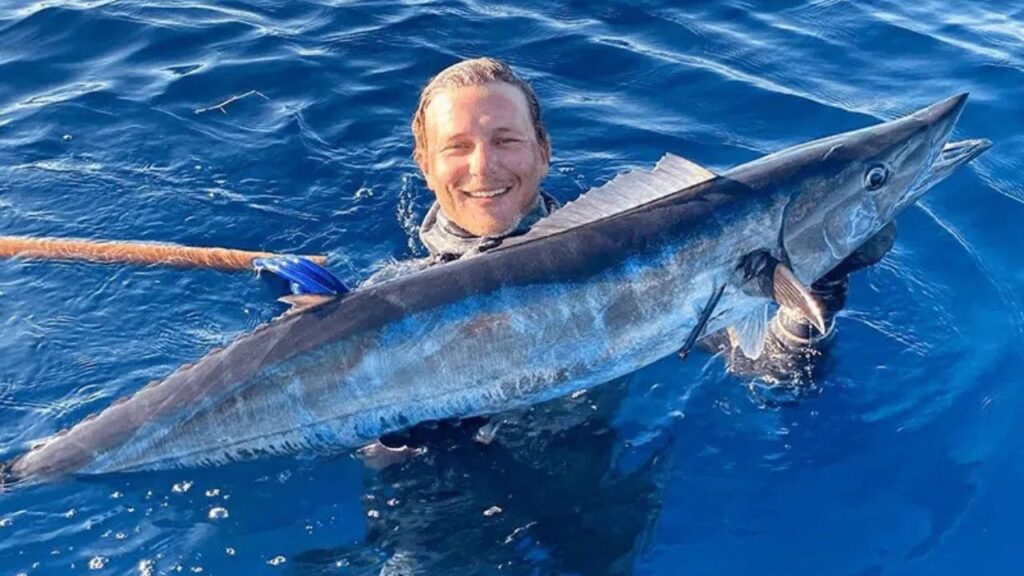
The main difference between freediving and snorkeling is simple. Snorkeling lets you breathe through a tube while you watch fish from the surface. Freediving takes you underwater in one breath. Both are great ways to see marine life, but snorkeling is easier for most beginners.
So, should you try free diving or snorkeling in Islamorada? If you want to see coral and tropical fish without diving down, start with snorkeling. If you're comfortable underwater and want more of a challenge, freediving may suit you better. At Forever Young Charter Company, we take guests out on private snorkeling and freedive spearfishing charters in the Florida Keys. Here's how the two compare.
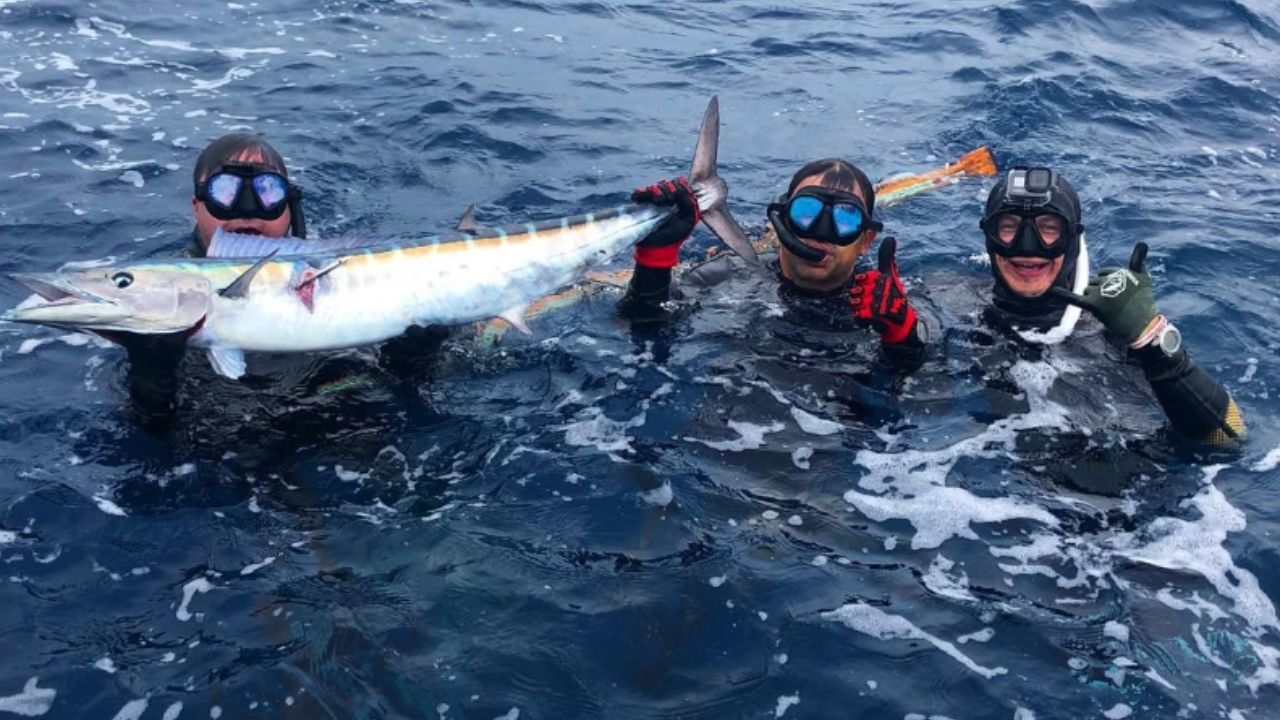
When you snorkel, you float face down and look at the reef. Your snorkel stays above the water so you can breathe. You might see a school of fish pass below you. Or spot a parrotfish picking at the reef.
Freediving means leaving the surface. You take a breath, dive down, and come back up before you need to breathe again. There's no air tank. How deep you go depends on your training and the conditions.
Here's what each activity involves:
Snorkeling:
Freediving:
You may also hear people talk about skin diving. That's when someone snorkeling makes short dives below the surface. It's not quite the same as trained freediving. Again, freediving doesn't always mean spearfishing. Some people dive just to explore. Others use freediving skills to hunt fish.
Snorkeling is easier to learn, but don't expect everything to feel normal the second you put on a mask. The first few breaths through a snorkel can feel strange. You might lift your head to check that the tube is working. Your mask may leak a little if it doesn't fit right. Give yourself time to get used to it.
Freediving takes more work. You need to learn how to hold your breath safely, move underwater, and clear pressure from your ears. Your ears may feel fine at the surface but start to hurt as you swim down.
Before choosing, ask yourself:
Say you're coming to Islamorada with your family. Two people want to see fish, and one isn't keen on going underwater. Snorkeling makes more sense for that group. But if you've spent time in the water and want to learn freediving, taking a course is a good next step.
You won't need an air tank for either activity, but the gear isn't always the same. For snorkeling, you'll use a mask, snorkel, and fins. The mask lets you see clearly, while the fins help you swim without working your legs too hard. Some people also use a flotation vest. Freedivers often use longer fins. These help them move through the water with fewer kicks. They may also use a smaller mask that's easier to clear as they dive deeper.
Here's how the equipment compares.
| Gear | Snorkeling | Freediving |
| Mask | Standard snorkel mask | Often a low-volume mask |
| Snorkel | Used while swimming | Used at the surface |
| Fins | Shorter fins are common | Longer fins are common |
| Wetsuit | Depends on conditions | Depends on conditions |
| Weights | Usually not needed | Sometimes used with training |
| Air tank | No | No |
You don't have to buy snorkeling gear before visiting Islamorada. Our private snorkeling charters include the equipment you'll need. We also provide dive and spearfishing gear on our freedive spearfishing trips. If you have your own mask or fins, ask our crew whether you should bring them.
Snorkeling is generally simpler, but you still need to pay attention to the water. A current can carry you farther than you expect. And swimming with fins can wear you out, especially if you're not used to them.
Freediving has an extra concern. You're holding your breath underwater, and staying down too long can cause you to black out. This can happen without much warning. That's why freedivers need proper training and a buddy who knows how to watch and help them.
A few rules are worth keeping in mind:
For freediving, an ordinary swimming buddy isn't enough. You need someone trained in breath-hold diving safety and rescue. Around Islamorada, the water can look clear from the boat and still have a current. Wind can also pick up during the day. Your captain will know more about the conditions at the planned site, so listen to the briefing before you get in.
And if you're not comfortable? Say so. There's no reason to push yourself just because everyone else is ready.
Never been snorkeling before? Give it a try. You can swim over the reef and watch fish below you. Look closely, and you might spot a parrotfish or angelfish. Sometimes, you may even see a sea turtle. But maybe you've done that before. Now you want to swim down and see more. That's where freediving comes in. You'll need some training first, but it could be a good next step.
Coming with family or friends? Think about what everyone wants to do. Some may be happy floating at the surface. Others may want to spend more time underwater. At Forever Young Charter Company, we offer private snorkeling and freedive spearfishing trips in Islamorada. Here's what you can book.
Our snorkeling charters suit families, couples, and small groups. You get a private boat, captain, snorkeling equipment, and refreshments. Up to six guests can join. An in-water snorkeling guide is available for an extra charge.
Our freedive spearfishing trips are for people interested in hunting fish while diving on a single breath. These charters include an in-water guide, captain, fishing license, and spearfishing equipment. Up to four divers can be in the water, with six passengers allowed on the boat.
You don't need years of spearfishing experience to ask about a trip. But freedive spearfishing isn't the same as a basic freediving lesson. Talk to our crew about your diving skills before booking.
| Private charter | Half day (4 hours) | Full day (8 hours) |
| Snorkeling | $1,200 | $1,600 |
| Freedive spearfishing | $1,500 | $2,200 |
These are the listed prices for the private charter, not per person. You can also ask about six-hour trips. Check the current rates and what's included before making your reservation.
Maybe, but ask before you book. A snorkeling trip and a freedive spearfishing trip need different planning. The crew will need to know what you want to do and how much diving experience you have.
If your group has mixed interests, tell us. Someone may want to snorkel while another person hopes to go spearfishing. We can discuss what type of charter might work and whether a custom trip is possible. You can also read our beginner's guide to spearfishing in Islamorada if you're curious about that side of freediving.
If you've never tried either activity, snorkeling is a good place to start. You can enjoy the reef without worrying about holding your breath underwater. If you're drawn to freediving and spearfishing, make sure you have the right skills first. Then you can look at a trip that matches your experience.
At Forever Young Charter Company, we offer private trips for both interests. Call 305-680-8879 to talk about your group and book a charter in Islamorada. You came to the Florida Keys to see what's beneath the water. The only question is how you'd like to see it.
Is freediving harder than snorkeling?
Yes. Snorkeling lets you breathe at the surface, while freediving requires you to hold your breath underwater. Freedivers also need to learn how to clear pressure from their ears and follow breath-hold safety rules.
Can you freedive with snorkeling gear?
Some snorkeling gear can be used for shallow breath-hold dives. But proper freediving training matters more than the gear. Don't try deep dives just because you have a mask and fins.
Do you need to be a strong swimmer to snorkel?
You should know how to swim and feel comfortable in open water. You don't need to be a competitive swimmer. But you should be able to stay afloat and move through the water without help.
Can beginners go freediving in Islamorada?
Yes, beginners can learn freediving through proper instruction. If you're interested in Forever Young's freedive spearfishing charters, contact the crew first. They'll help you understand what experience the trip requires.
Is snorkeling worth it if you don't dive underwater?
Yes, you can see plenty from the surface when the water is clear. Fish often swim around coral and rock ledges below you. You don't have to dive down to enjoy watching them.

