

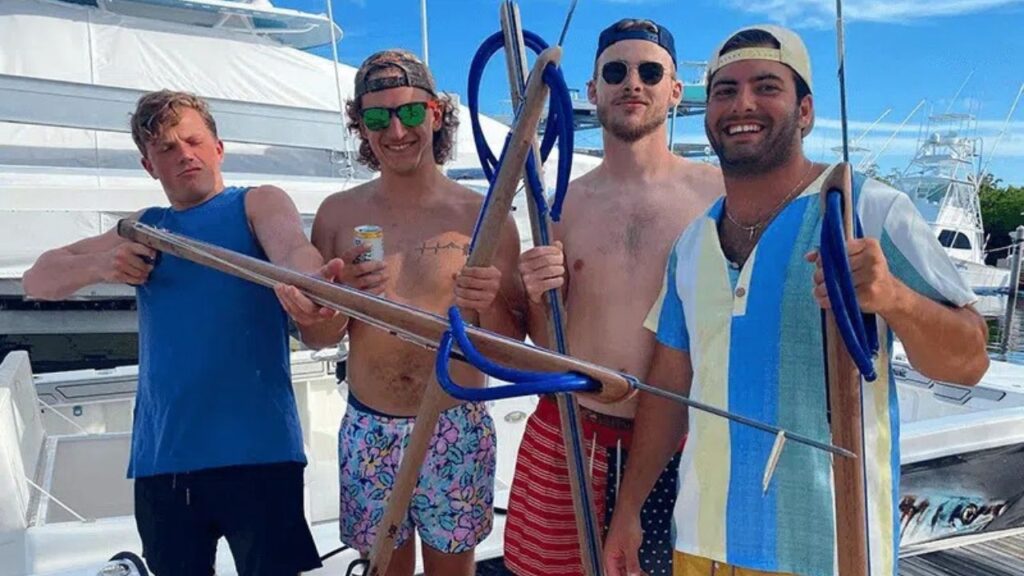
The right spearfishing gun should match your water, target fish, and current skill level. Reef diving often favors a gun that moves easily around nearby structures. Bluewater hunting may call for more reach, power, and different rigging.
The choice sounds simple until you start comparing guns online. One gun measures 90 centimeters, while another stretches to 110 centimeters. One has more bands, while another promises greater power and range. It becomes easy to focus on numbers instead of actual diving conditions. Your first choice should always start with where you plan to hunt.
If this is your first setup, real water time can help. At Forever Young Charter Company, we run private spearfishing trips throughout the Florida Keys. Spearfishing equipment and an in-water guide are included with its charter trips. You can learn what feels practical before spending money on your own gear.
Here are five checks that can make your first choice much easier.
Reef and bluewater hunting place very different demands on your equipment. Around reefs, you may need to turn quickly while staying clear of structure. Open water gives you more space, but fish may remain farther away.
Those differences can affect gun length, power, handling, and the rigging you need.
| What matters | Reef diving | Bluewater diving |
| Space | Structure may be close | Mostly open water |
| Main need | Control and easy movement | Useful range and suitable power |
| Gun length | Often shorter or mid-length | Often longer |
| Targets | Common reef species | Often larger pelagic fish |
| Rigging | Depends on fish and conditions | Float systems are often used |
| Beginner concern | Easy handling | More specialized setup |
Use this table as a starting point rather than a fixed buying guide. Visibility, fish size, gun design, and experience can all change your final choice.
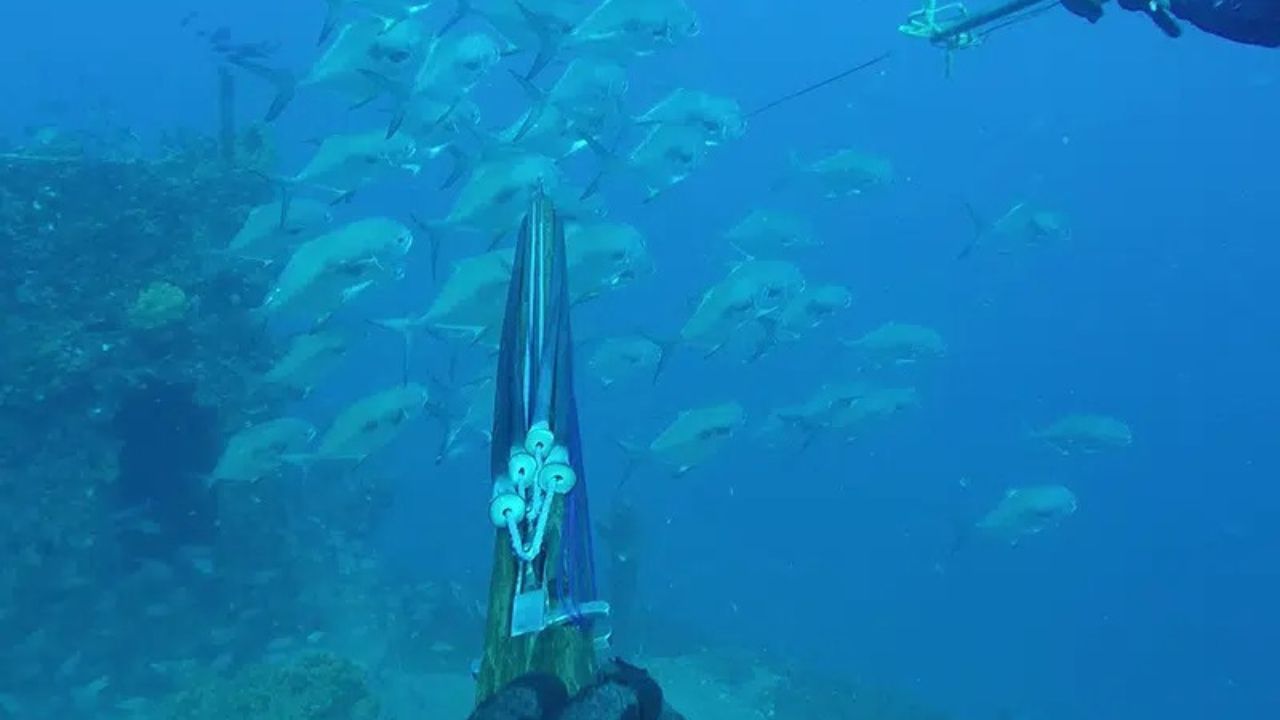
Imagine swimming beside reef structure while carrying a long spearfishing gun. A fish suddenly moves across your view and gives you little time. You turn toward it, but the extra length needs more room underwater. Now picture that shorter reef gun during an open bluewater hunt. There is plenty of space, but a wary fish keeps its distance. Suddenly, having more useful reach starts to sound much more appealing.
That difference is why your normal diving environment should guide your choice. A shorter or mid-length setup can feel easier around reef structure. It can also suit conditions where visibility keeps most shots relatively close.
Clear, open water changes what you may need from the gun. A longer setup may provide useful reach when you can control it comfortably. Visibility should remain part of that choice, even in familiar water. Extra range offers little value when you cannot clearly identify your target. A guided spearfishing trip can help if you have not chosen your preferred style. Real water time makes the differences between reef and open-water hunting much clearer.
Gun length gets plenty of attention because the number looks easy to compare. In practice, there is no single length that works for every diver. Compact guns around 75 to 90 centimeters are often considered for tighter conditions. Mid-length setups around 90 to 110 centimeters may suit more general diving. Longer setups around 110 to 130 centimeters often appear in open-water hunting.
These ranges are useful references, but they are not fixed recommendations. Visibility, gun design, target fish, bands, and diver ability can change everything. A 90-centimeter gun does not automatically make the best beginner choice. A 120-centimeter gun does not automatically make the right bluewater choice.
You also need to think about how your body handles the equipment. Can you load the bands comfortably without losing control of the gun? Can you turn smoothly when a fish suddenly changes its swimming direction? Can you hold the gun steady enough for a controlled, responsible shot?
Those questions matter more than simply choosing the longest available model. An extra 20 centimeters may look minor when comparing two guns ashore. Underwater, you must swim, turn, aim, and hunt with that extra length. Choose a length that works underwater, not one that simply looks impressive.
Gun length tells only one part of the overall equipment story. Most new divers quickly come across traditional band-powered spearfishing guns. These guns use stretched rubber bands to drive the shaft forward.
Pneumatic guns use compressed air instead of external rubber bands. Roller guns use rollers to change how their bands stretch along the barrel. For your first purchase, a simpler setup may make learning easier. Traditional band guns are common and come in many different configurations. Still, two band guns with similar lengths may behave very differently underwater. Band strength, shaft size, shaft weight, and gun design all affect performance.
Adding more bands does not automatically give you a better setup. Extra power may also increase loading effort for an inexperienced diver. Around reefs, control and shot placement may matter more than maximum power. Bluewater hunting may require different equipment, especially when targeting larger pelagic fish. Even there, the target and water should guide your final equipment choice. Choose enough gun for the job rather than chasing maximum available power.
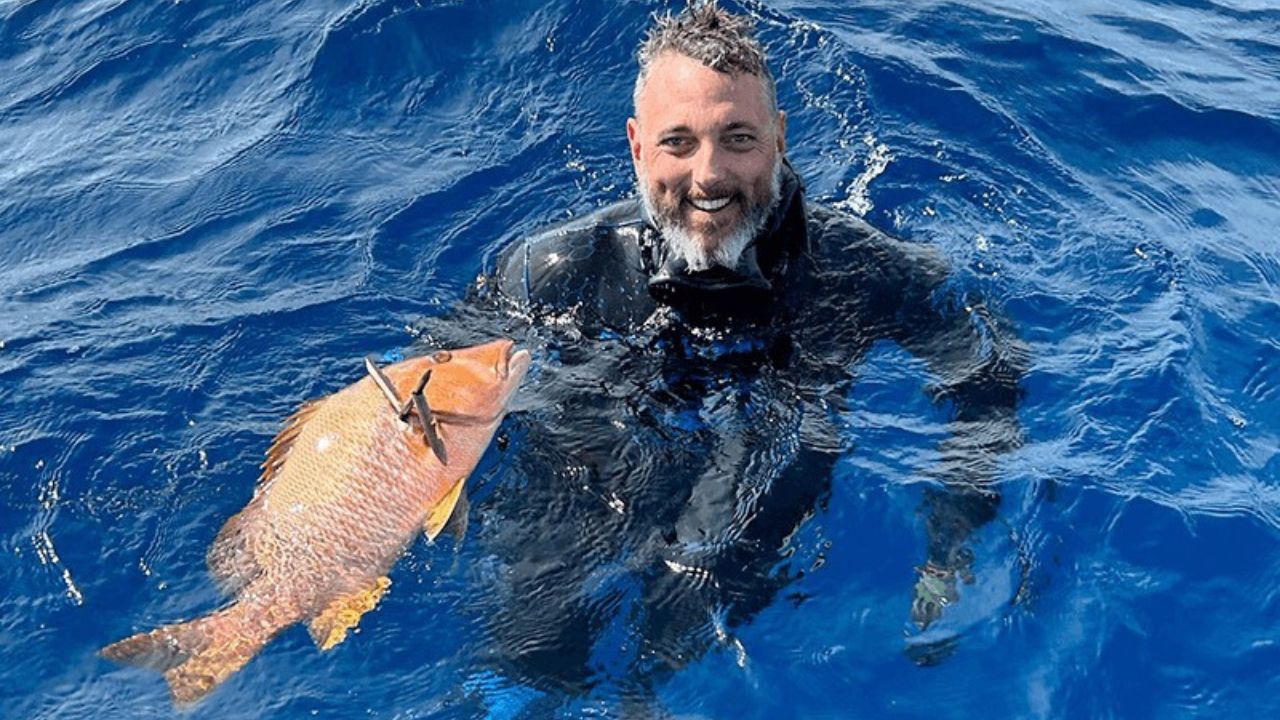
This part can be difficult to judge from an online product page. A gun may have suitable dimensions and hundreds of positive customer reviews. Then you try loading it and find the bands harder than expected. The same problem can happen once you start moving underwater. A comfortable gun on land may feel awkward after several minutes diving.
For a spearfishing gun for beginners, comfortable control should remain a priority. Pay attention to these five points before settling on your setup:
Each point also has a clear connection to safe gun handling. You need to maintain control of the muzzle throughout the entire dive. Keep your finger away from the trigger until you intend to shoot. Always identify your target and check what lies behind it before shooting. A fish can change direction quickly once you move into position. Your gun still needs to remain controlled when that sudden movement happens.
That matters far more than owning an impressive setup back at the dock.
Your spearfishing gun is only one piece of your complete diving setup. Depending on your trip, you may need a reel, shooting line, floatline, or float. The right combination depends on your target fish and hunting environment. These choices become especially important when you start exploring bluewater hunting.
Larger fish can run after being hit by a spear. A suitable float and floatline may form part of that hunting system. Reef hunting may require another approach because structure changes how equipment behaves. For first-time buyers, that equipment list can become expensive surprisingly fast.
You may need a gun, bands, shaft, line, float, fins, and mask. Yet you may still prefer another hunting style after your first trip. That makes trying the sport before buying everything a sensible option. Forever Young's spearfishing charters include spearfishing equipment and an in-water guide. The trips can work for divers with different levels of experience. Spend some time noticing the equipment instead of only searching for fish:
Those answers become useful when you eventually shop for personal equipment.
At Forever Young, we also run Key Largo spearfishing charters for divers exploring the Upper Keys. You can also explore Tavernier spearfishing charters for another Upper Keys option. Farther south, Key West spearfishing charters provide another way to plan your trip.
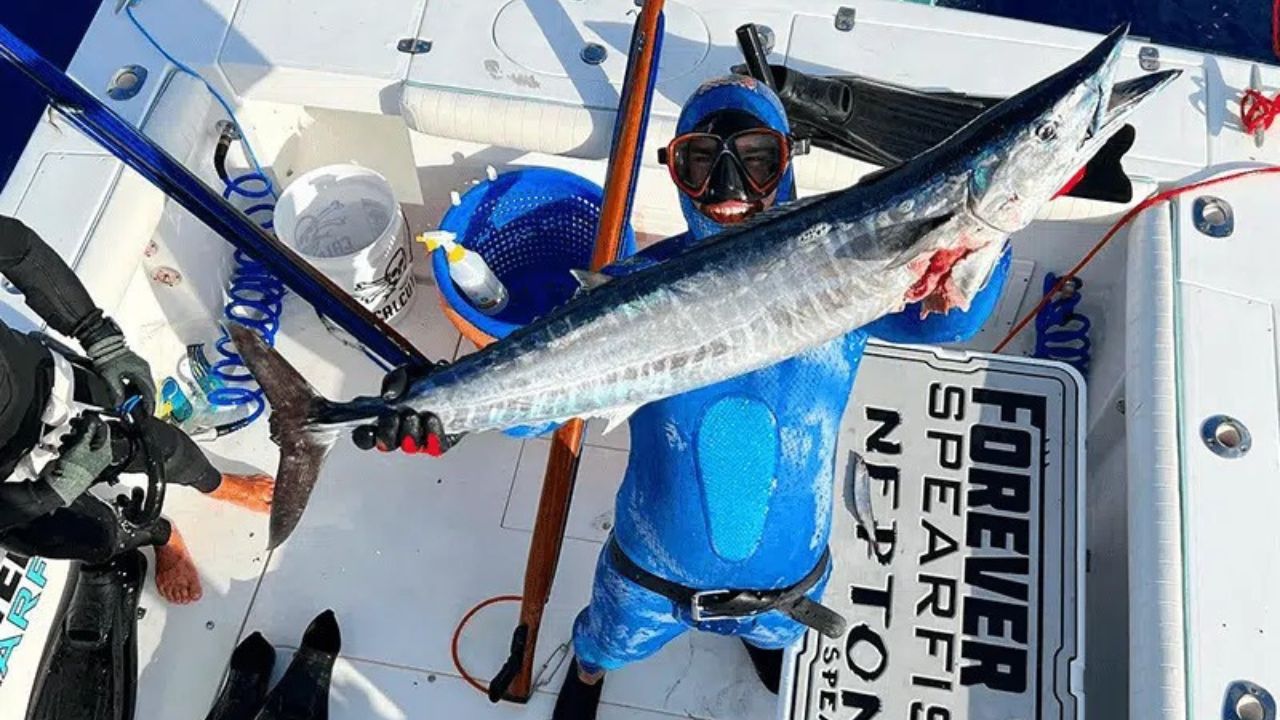
Having suitable equipment does not mean every fish can legally be speared. Florida has rules covering species, seasons, sizes, locations, and daily bag limits. Some fish cannot legally be harvested using spearing methods in Florida waters. Check current Florida Fish and Wildlife Conservation Commission spearing rules before planning your hunt. The exact place where you dive matters just as much. Spearfishing is prohibited within certain protected waters throughout the Florida Keys.
The Florida Keys National Marine Sanctuary includes zones with additional spearfishing restrictions. Review current Florida Keys National Marine Sanctuary regulations before heading onto the water. Rules can change depending on the species and exact fishing location. A local charter can help with planning suitable and legal hunting areas. Still, every diver should understand the current rules before entering the water.
The right spearfishing gun is rarely the biggest or most powerful available model. It should feel manageable while loading, moving, aiming, and hunting in your normal water. Try the gear and pay attention to what feels comfortable underwater. Then choose your own setup for the dives you actually want to make.
What size spearfishing gun is good for beginners?
No fixed gun size suits every new spearfisher. Compact guns around 75 to 90 centimeters are often considered manageable starting options. Your water conditions, target fish, and gun design should still guide you.
Is a shorter speargun better for reef diving?
A shorter gun can be easier to turn around nearby reef structures. That extra control may help when space becomes limited during a dive. Clear water, target species, and expected shot distance can change the ideal length.
What size speargun works for bluewater?
Bluewater setups are often longer than guns commonly chosen for tighter reef conditions. Sizes around 110 to 130 centimeters or longer are commonly considered for open water. Your target species, experience, and gun design should guide the final choice.
Does a longer spearfishing gun mean more power?
A longer gun does not automatically mean greater power or better performance. Band setup, shaft choice, barrel design, and gun length all affect performance. The right combination matters more than any single measurement on the gun.
Should I buy a spearfishing gun before my first charter?
You do not need to buy a complete setup before your first charter. Using included equipment can help you learn what feels comfortable underwater. That experience can make your first personal equipment purchase much easier.

