

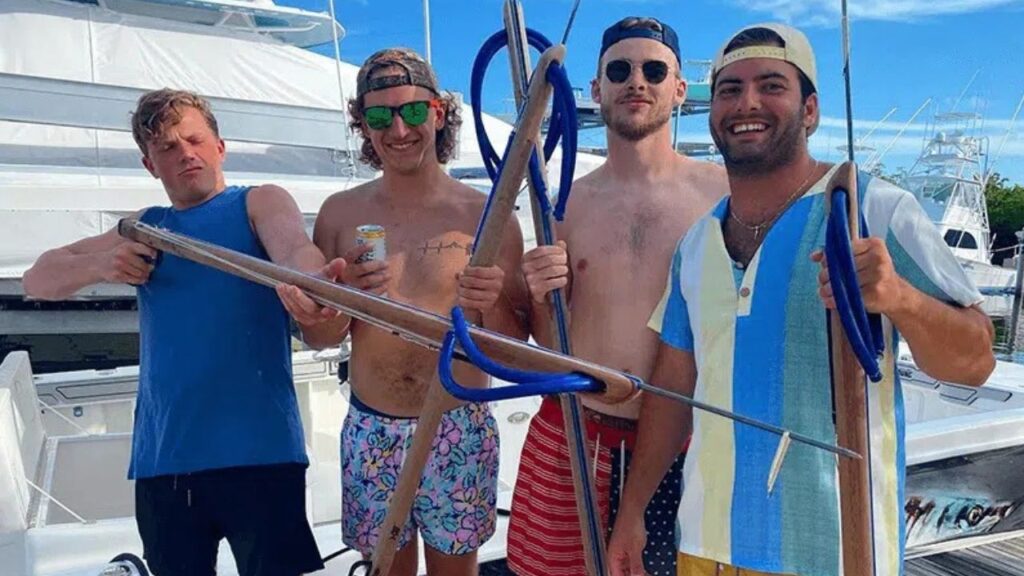
Planning a Florida spearfishing trip sounds simple at first. Find a boat, grab your gear, and head for the water. Then you start reading the rules.
Spearfishing is legal in many Florida salt waters, but there are limits. You cannot spear every fish or dive anywhere you like. Size limits, seasons, gear rules, and catch limits also come into play. It is easy to feel a little lost the first time. You may even wonder if booking a guide would make the day easier. In the Florida Keys, it often can.
A local spearfishing charter in Islamorada can handle the boat, gear, and trip planning. You still need to know the rules. But you will not have to figure out unfamiliar waters by yourself. So, before you start planning where to dive, get these seven rules straight.
Before getting into the details, here is the short version.
| Question | Quick answer |
| Is spearfishing legal in Florida? | Yes, in many saltwater areas |
| Can you spearfish anywhere? | No |
| Can you spear every fish? | No |
| Do size and bag limits apply? | Yes |
| Can you spearfish near public beaches? | Not within 100 yards |
| Can you spearfish in freshwater? | No |
| Are some spearfishing tools banned? | Yes |
The key word here is location. A legal fish does not make it a legal catch if you take it in a closed area.
A reef may look like the perfect place to stop. The water is clear, and you can see fish below. But that does not mean you can spearfish there. Location matters a lot in Florida. In the Keys, spearfishing is banned in state waters from Long Key north to the Miami-Dade County line. This includes the waters around Long Key.
There are other protected areas to watch for too. Spearfishing is not allowed in the Key Largo and Looe Key Management Areas. It is also banned in Sanctuary Preservation Areas, restoration areas, and conservation areas. So, do not choose a reef just because it looks good on a map. Check the exact location before you get in the water. This is also where having a local guide can make your first trip much easier.
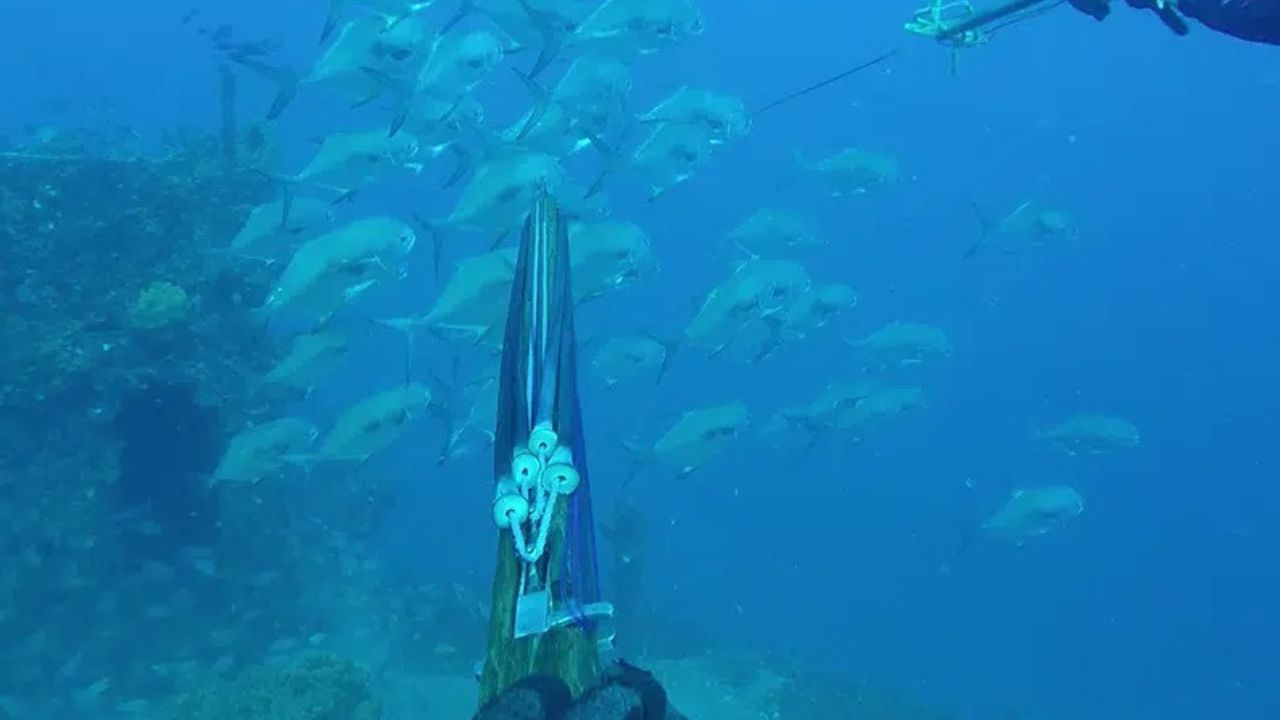
Here is a common beginner mistake. You see a good fish, know it is a saltwater species, and assume it is legal to spear. It may not be.
Florida's prohibited list includes several fish you might encounter while diving. Snook, sharks, tarpon, Goliath grouper, Nassau grouper, spotted seatrout, red drum, bonefish, permit, and tripletail are among the species you cannot harvest by spear. Lobster cannot be taken with a spear either.
You do not need to memorize every fish in Florida before your first trip. But you should know the species you are likely to see where you plan to dive. And underwater, use a simple rule. If you are still trying to work out what the fish is, let it swim.
Finding a species that can be speared is only the first check. That fish must also be legal to harvest on that day. Finding a fish you are allowed to spear is only step one. It still needs to be the right size and in season. You also need to stay within the daily bag limit. This is where things can get confusing for a visitor. One fish may be open year-round. Another may have a closed season. Rules can also differ between state and federal waters.
Before the boat leaves, know:
Do not rely on a screenshot you saved last year. Check the current FWC rules close to your trip.
You find a patch of clear water close to shore. It looks easy to reach, and there are fish below. Can you jump in with a speargun? Check what is around you first.
Florida spearfishing rules prohibit spearfishing within 100 yards of a public swimming beach. The same distance applies to commercial or public fishing piers and parts of bridges where public fishing is allowed. There is a separate rule for jetties. You generally cannot spearfish within 100 feet of a part of a jetty that sits above the water. An exception applies to the last 500 yards of a jetty that stretches more than 1,500 yards from shore.
These rules are easy to understand once you are there. Swimmers, anglers, divers, and loaded spearguns do not make a good mix.
Florida may be famous for the ocean, but it also has lakes, rivers, and springs. Do not assume the same rules follow you inland. FWC prohibits spearfishing of marine and freshwater species in freshwater. Possession of a speargun in or on freshwater is also prohibited. For a visiting spearo, this one is simple. Keep the spearfishing part of your adventure to legal saltwater areas.
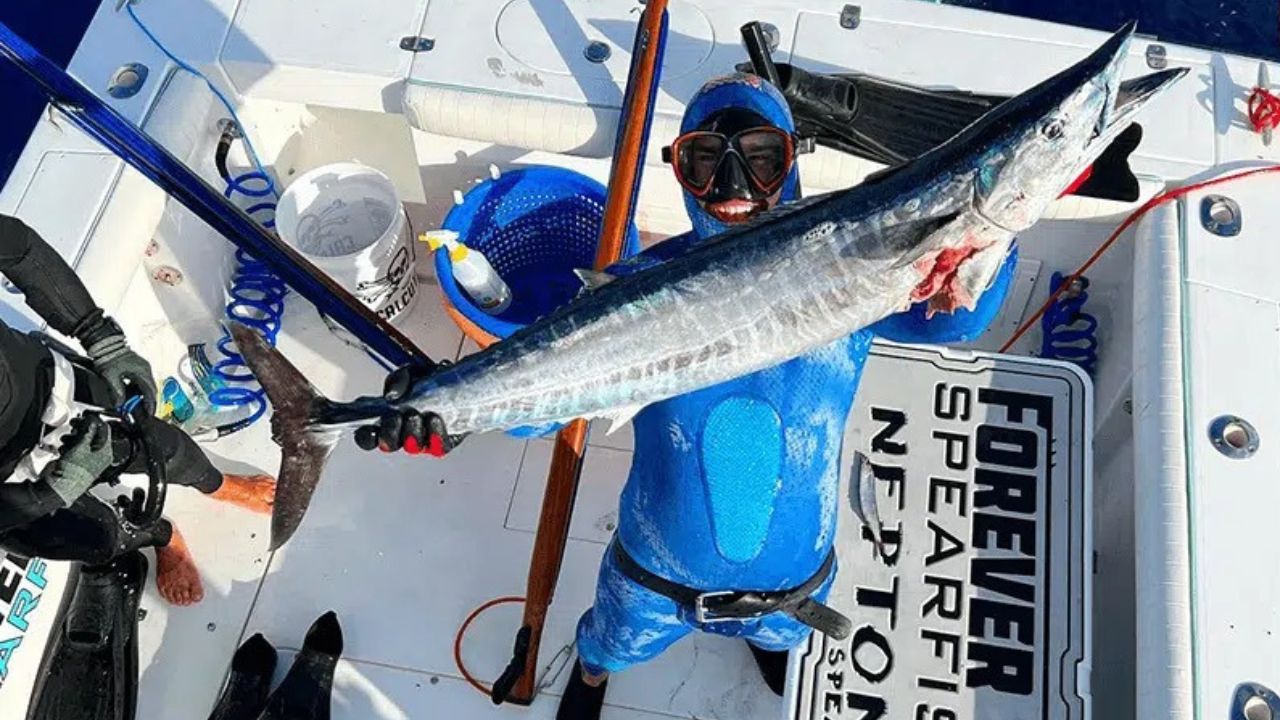
Florida generally requires a saltwater fishing license when you take or try to take saltwater fish, unless an exemption applies. If you fish from a properly licensed charter vessel, you normally do not need your own recreational saltwater fishing license.
That makes one part of planning easier. Forever Young's Islamorada spearfishing charters include the fishing license for the charter. The trips also include the private boat, captain, in-water guide, spearfishing gear, and refreshments.
This is one rule you do not want buried at the bottom of your packing list. Florida prohibits the use of powerheads, bangsticks, and rebreathers for spearfishing harvest under its general spearing rules. FWC separately notes specific exceptions that can apply, such as rebreather use for lionfish harvest, so check the current rule for the activity you plan to do.
Your normal speargun is not the problem. The issue is assuming that every type of underwater hunting gear is treated the same way. If you are bringing your own setup, check it before the trip. If you book with Forever Young, dive and spearfishing equipment is included in its Islamorada charter packages.
The Florida Keys are not one huge open spearfishing area. That is probably the most useful thing to know before you arrive. There are state rules, federal rules, sanctuary zones, and local restrictions to consider. FWC specifically points anglers to separate Monroe County and Florida Keys National Marine Sanctuary information when checking recreational rules.
You will also see marked protected areas in the Keys. Sanctuary preservation areas and conservation areas use large yellow buoys, though not every protected area is marked in the same way. This is where going out with someone who knows the area starts to make sense. You are not paying someone just to drive a boat. You are also getting local knowledge of the waters you came to explore.
A fish comes into range. This is not the best time to start thinking through a long list of regulations.
Keep it simple. Before you shoot, ask yourself:
If one answer is unclear, don't take the shot. There will be another fish.
If you already know the Keys, own your gear, and understand the local rules, you may be comfortable planning your own day. For a first trip, there is more to work out. Think about what happens once you hit the water. You are watching your depth, your buddy, the reef, your gear, and the fish. Then you need to identify a target and decide if it is legal.
A guide takes some of that load off your shoulders. At Forever Young Charter Company, we run private trips from Islamorada for new and experienced spearos. We offer reef, wreck, bluewater, freedive, and scuba options. Bluewater trips target fish such as wahoo, mahi-mahi, and tuna and are aimed at experienced hunters.
Current Islamorada spearfishing options are:
Those rates cover the private boat rather than a per-person ticket. Freedive charters can carry six passengers, with up to four divers in the water. For a first trip, the half day may be enough to get a feel for the sport. If spearfishing is the main reason you came to the Keys, a longer trip gives you more time on the water.
Lionfish are a popular target in Florida for good reason. They are invasive, and FWC does not set a recreational bag limit for them. But hunting lionfish does not give you a free pass into closed spearfishing areas. Location restrictions still matter.
At Forever Young, we also offer dedicated lionfish hunting trips in the Keys. It can be a good fit if you want a clear target and a hands-on dive rather than a general sightseeing trip.
You do not need to spend your vacation memorizing a rule book. You do need to know where you are diving, what you are hunting, and whether the fish in front of you is legal to take. Check the latest FWC rules before you leave. Look at the rules for the exact species and area you plan to dive. Then check again if anything about the trip changes.
If you would rather have local help with the boat, gear, and day on the water, book a private Forever Young spearfishing charter. You can focus on your dive instead of trying to work out the Florida Keys from shore. When that first good fish finally swims into range, you want the decision to feel simple: know the fish, know the rules, then take the shot.
Is spearfishing legal in Florida?
Yes, spearfishing is legal in many Florida saltwater areas, but restrictions apply. Some fish cannot be taken with a spear. Some protected areas are also closed. Always check the current rules for your location and target fish.
Do you need a fishing license to spearfish in Florida?
In most cases, you need a Florida saltwater fishing license to spearfish. Some exemptions apply. You normally do not need your own license on a properly licensed charter boat. Check the requirements before your trip.
What fish can you not spear in Florida?
Florida bans several species from being taken by spear. These include snook, sharks, tarpon, red drum, spotted seatrout, bonefish, permit, and tripletail. Goliath and Nassau grouper are also prohibited. Check the current FWC list before your trip.
Can you spearfish from shore in Florida?
Yes, in some legal saltwater areas. However, shore access does not mean spearfishing is always allowed. Restrictions apply near public beaches, fishing piers, certain bridges, and jetties. Protected areas may have additional rules.
Can you spearfish in the Florida Keys?
Yes, but not everywhere in the Florida Keys. Several areas are closed to spearfishing. Restrictions cover state waters from Long Key north to the Miami-Dade County line. Certain sanctuary areas are also closed. Always check the exact location before diving.

